If you’ve owned a dog or cat in Central Texas for more than a season, you already know this climate doesn’t give pets much of a break. Mild winters mean fleas and ticks rarely die off the way they would somewhere with a real hard freeze, and warm, humid summers turn every patch of grass into a potential fire ant mound. A lot of pet owners end up dealing with one of these three problems reactively, treating symptoms after a pet is already miserable, instead of understanding what actually keeps these pests away in the first place.
I wanted to put together something that goes past the basic “use flea medicine” advice and actually explains what’s going on with each of these pests specifically here in Central Texas, how to spot trouble early, what genuinely works for prevention, and when a home or yard problem has grown beyond what pet products alone can fix.
Why Central Texas Is Particularly Rough on Pets
A few things about this region combine to make fleas, ticks, and fire ants more persistent here than in many other parts of the country. Winters rarely get cold enough for long enough to fully knock back flea and tick populations the way a hard freeze would further north, so what would be a seasonal problem elsewhere becomes closer to a year round concern here. The humidity that makes summer feel so heavy is also exactly what fleas thrive in. And fire ants, which aren’t even native to Texas, have found the climate and soil here so favorable that they’ve become one of the most common outdoor pest complaints in the entire region.
Fleas: The Persistent Year Round Problem
Why Fleas Are Harder to Beat Here Than Elsewhere
Flea eggs, larvae, and pupae can survive in shaded, humid outdoor environments for extended periods, and without a real hard freeze to interrupt that cycle, a single flea can turn into a full blown infestation surprisingly fast. It’s not unusual for Central Texas pet owners to deal with flea issues in December that pet owners further north wouldn’t see outside of summer.
Signs Your Pet Has Fleas
- Frequent scratching, biting, or licking, particularly around the base of the tail, belly, and hind legs
- Small dark specks in the fur that look like pepper flakes, which is actually flea dirt (digested blood)
- Visible small reddish brown insects moving quickly through the fur, especially near the skin
- Hair loss or red irritated skin, particularly in pets with flea allergy dermatitis, a common and quite uncomfortable reaction
- Pale gums in young, small, or elderly pets, which in severe infestations can indicate anemia from blood loss
What Actually Works for Prevention
Monthly veterinary prescribed flea prevention remains the most reliable defense, whether that’s an oral medication, a topical treatment, or a properly fitted flea collar recommended by your vet specifically. Over the counter products can work for very mild situations, but many pet owners find they’re noticeably less effective against an established local flea population compared to prescription strength options.
Beyond the pet itself, the environment matters just as much. Vacuum carpets, rugs, and pet bedding regularly, wash pet bedding in hot water on a consistent schedule, and keep grass trimmed short in the yard, since fleas thrive in shaded, overgrown areas far more than in short, sun exposed grass. If one pet in a multi pet household has fleas, treat all pets in the home at the same time, since fleas move easily between animals and an untreated pet becomes an ongoing source of reinfestation.
Ticks: A Bigger Concern Than Most Pet Owners Realize
Why Ticks Are So Common Around Waco and Central Texas
Ticks thrive in tall grass, wooded areas, and brushy edges of yards and trails, all of which describe a lot of the green space around the Brazos River, local parks, and plenty of Central Texas backyards backing up to undeveloped land. Ticks don’t jump the way fleas do. They wait on grass or low vegetation and latch onto a passing pet or person, which means any walk through tall grass or brush is a real exposure opportunity.
Signs of a Tick Problem or Tick Related Illness
- A visible tick attached to the skin, often found around the ears, neck, armpits, or between the toes during a physical check
- Localized swelling, redness, or a small bump where a tick was recently attached or removed
- Lethargy, reduced appetite, joint pain, or lameness in the days or weeks following a known tick exposure, which can indicate a tick borne illness such as Lyme disease, ehrlichiosis, or anaplasmosis, several of which are found in dogs throughout Texas
- Fever or noticeably different behavior after time spent outdoors in tall grass or wooded areas
See also: How Businesses Protect AI Applications
Prevention That Actually Reduces Risk
A monthly tick preventive recommended by your veterinarian is the foundation here, and many of the same products that handle fleas also cover ticks, though it’s worth confirming with your vet rather than assuming. Beyond medication, do a physical tick check on your pet after any time spent in tall grass, wooded trails, or brushy areas, paying particular attention to the ears, neck, between the toes, and around the tail.
In the yard itself, keep grass mowed short, clear leaf litter and brush piles, and create a clear buffer zone between any wooded or overgrown areas and the parts of the yard your pet actually spends time in, since ticks are far less common in short, sun exposed grass than in shaded, overgrown edges.
If you do find a tick attached to your pet, remove it properly using fine tipped tweezers, grasping as close to the skin as possible and pulling straight up with steady, even pressure rather than twisting. Avoid folk remedies like burning the tick off or covering it in petroleum jelly, since these methods can actually cause the tick to release more saliva or stomach contents into the bite, increasing the risk of disease transmission.
Fire Ants: A Uniquely Texas Problem
Why Fire Ants Are So Widespread Here
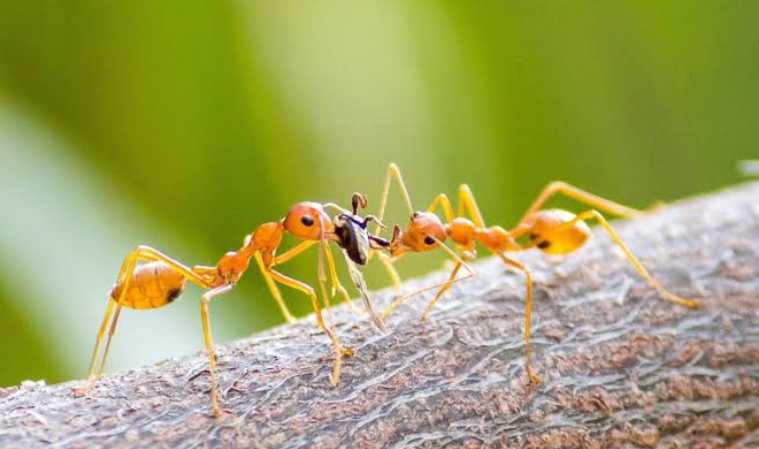
Fire ants aren’t native to Texas, but the climate, soil, and lack of natural predators here have allowed them to spread aggressively since they first arrived decades ago. Mounds often appear or become more active after rain followed by warm weather, and a single yard can end up with dozens of active mounds if left unmanaged.
The Real Risk to Pets
Unlike fleas or ticks, fire ants are an immediate physical threat rather than a disease carrier. A curious pet that disturbs a mound can end up with dozens or even hundreds of stings within seconds, since fire ants attack in coordinated groups rather than individually. Stings cause painful, itchy welts that often develop into small pustules within a day, and in sensitive pets or in cases of a large number of stings at once, a serious allergic reaction is possible, including swelling of the face or throat and difficulty breathing, which requires immediate veterinary attention.
Small pets, puppies, kittens, and older animals with reduced mobility are at particular risk, since they may not move away from a disturbed mound as quickly as a healthy adult dog would.
Keeping Fire Ants Away From Your Pet’s Space
Regularly inspect the yard, particularly areas where pets spend the most time, for new mounds, since fire ant colonies can establish surprisingly quickly after rain. Broadcast fire ant baits applied to the whole yard tend to be more effective long term than treating individual mounds one at a time, since bait is carried back to the colony and queen rather than just killing visible worker ants on the surface. Keep pets away from any area recently treated with fire ant products until the product label’s specified waiting period has passed, and always follow label instructions carefully regarding pet safety.
If you find an active mound, avoid disturbing it directly, since agitated fire ants become far more aggressive, and consider treating it promptly rather than waiting, particularly if it’s in a high traffic area of the yard.
What to Do If Your Pet Is Stung
Move your pet away from the area immediately to avoid additional stings, and check for the number and location of stings, particularly around the face and mouth. A cool compress can help with minor swelling and discomfort. Watch closely for any signs of a more serious reaction, including significant facial swelling, difficulty breathing, vomiting, or extreme lethargy, and treat any of these as an emergency requiring immediate veterinary care rather than something to monitor at home.
Natural and Home Remedies: What’s Worth Trying and What Isn’t
A lot of pet owners understandably want to avoid chemical treatments where possible, and some natural approaches genuinely help as part of a broader strategy, particularly for prevention rather than active infestations. Diatomaceous earth, food grade and applied properly, can help in the yard against fleas, though it’s far less effective against an established indoor infestation compared to veterinary products. Regular grooming, bathing with a gentle pet safe shampoo, and consistent yard maintenance all reduce risk meaningfully.
That said, essential oils marketed as natural flea and tick repellents deserve real caution, since several common oils, including tea tree oil, are toxic to cats and can cause problems for dogs as well depending on concentration and application. Always check with your veterinarian before using any essential oil based product around pets, and never assume something is safe simply because it’s labeled as natural.
When to Call in Professional Help
Individual pet treatments handle the pet itself, but sometimes the environment around your home needs outside help too. If fire ant mounds keep reappearing across your yard despite consistent baiting, if a flea infestation persists indoors even after treating all pets and thoroughly cleaning the home, or if you’re dealing with a heavily wooded or overgrown property with significant tick activity, a professional pest control service can treat the yard itself in ways that go beyond what over the counter products typically achieve. This is particularly worth considering if you have young children or pets with health conditions that make repeated pest exposure a bigger concern than it might otherwise be.
Building a Simple Year Round Routine
The pet owners who deal with the fewest problems here tend to follow a fairly consistent routine rather than reacting after the fact. Keep monthly flea and tick prevention going year round rather than seasonally, given how mild winters here allow these pests to persist. Do a quick physical check on your pet after outdoor time in grass, brush, or wooded areas. Keep the yard mowed, cleared of debris, and monitored for new fire ant mounds. And schedule a yearly conversation with your veterinarian about which preventive products make the most sense for your specific pet and lifestyle, since a dog who spends a lot of time on hiking trails has different risk levels than an indoor cat who occasionally goes into a fenced backyard.
The Bottom Line
Fleas, ticks, and fire ants aren’t going away in Central Texas, and pretending otherwise usually just means dealing with a bigger problem later. A consistent prevention routine, regular yard maintenance, and knowing the early warning signs of trouble go a long way toward keeping pets comfortable and safe. And when a yard problem clearly outgrows what pet specific products can handle, particularly with fire ants or ticks in overgrown areas, bringing in professional pest control for the property itself is a reasonable and often necessary part of protecting the pets who spend their time there.