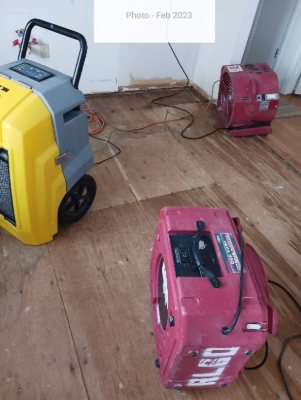
Insurance claims are the part of a water damage situation that most homeowners aren’t prepared for. The physical response is straightforward. Something failed. Water is on the floor. Someone needs to extract it and dry the structure. That part follows a fairly clear sequence, and a professional response crew handles the actual work. The insurance side is different. It runs on documentation, coverage language nobody reads until they need to, adjuster interactions that can go smoothly or sideways depending on how they’re managed, and payment mechanics that vary between direct-pay arrangements and reimbursement models. Which is why a homeowner dealing with an active loss sometimes finds the insurance track more stressful than the actual damage.
The other piece worth understanding is that not all water damage is covered the same way. Some situations get paid straight through with minimal friction. Others get partially covered. Some get denied outright. The difference usually comes down to what caused the loss, how the policy is written, and how quickly the homeowner responded. A homeowner filing for water damage restoration coverage learns pretty fast that the mechanics of the claim process are different from anything they’ve dealt with under the same policy for lesser events like broken windows or theft.
Denver-area homes regularly experience water damage from pipes, appliances, roofs, and sump pumps, so most local insurers see these claims year-round. Restoration Logistics is one of the Denver-area water damage restoration providers working with these insurance processes daily across residential and commercial jobs. Nothing here recommends any specific provider. What follows walks through how water-damage insurance claims actually work in Colorado and what homeowners should know before, during, and after filing a claim.
What Standard Homeowners Policies Cover
Standard homeowners policies cover sudden and accidental water damage from internal sources. Burst pipes. Water heater failures. Appliance leaks. Overflowing bathtubs left running. All of those generally trigger coverage. What isn’t covered under a standard policy is flooding from external sources (which requires separate NFIP flood insurance) or damage from long-term seepage, gradual leaks that went undetected, and mold that developed because a covered incident wasn’t addressed fast enough. TheNAIC’s overview of property insurance makes the distinction between covered perils and excluded ones fairly explicit.
See also: How Businesses Protect AI Applications
The Sudden and Accidental Distinction
Most policy denials on water damage come down to whether the loss was sudden and accidental or gradual. A pipe that bursts overnight is sudden. A pipe that had been slowly leaking for six months before anyone noticed the drywall staining is gradual, and often excluded. Which is why documentation of when the problem was discovered matters more than most homeowners realize. Photos with timestamps. Detailed notes on what was seen and when. These become the evidence base if the adjuster questions the timeline later.
Filing the Claim Properly on Day One
Fast reporting matters. Most policies require prompt notice of a loss, and any delay may be treated as a failure to mitigate. Call the insurance company or agent within hours, not days. Get a claim number issued. Note the name of the person taking the report. Get the adjuster’s contact information as soon as one is assigned. Start a running log of every interaction with the insurance company, including dates, times, and what was said. That log becomes the reference document if anything gets disputed later. The Colorado Division of Insurance’shomeowners insurance toolkit covers the state’s rules and consumer resources. Homeowners insurance companies must provide policyholders with a copy of their policy within 3 business days of a request.
Documentation That Matters
Photos of everything before any cleanup starts. Video walk-throughs of affected areas. An itemized list of damaged personal property with approximate values and purchase dates where possible. Receipts for any emergency expenses (tarps, hotel stays if displaced, replacement of immediately essential items). Copies of every invoice from the restoration company. The insurance adjuster will eventually request most of this. Having it organized up front speeds up the process and reduces the risk of the adjuster missing something that the homeowner then has to fight to have added back in.
Working With the Adjuster
The adjuster is representing the insurance company, not the homeowner. Which isn’t inherently adversarial, but the interests aren’t perfectly aligned either. Being cooperative and organized speeds the claim. Being pushy or emotional doesn’t help. Providing everything requested promptly matters. Asking questions when something isn’t clear matters more. If the adjuster’s assessment feels off, requesting a re-inspection is reasonable. If the adjuster and the restoration company’s estimates diverge significantly, the two often speak directly to reconcile the scope.
Direct-Pay Arrangements and How They Work
Many water damage restoration companies work directly with insurance carriers through preferred vendor programs or direct-pay arrangements. The homeowner pays the deductible. The insurance company pays the restoration company directly for approved work. This simplifies the payment flow significantly compared to reimbursement models, in which the homeowner pays upfront and is reimbursed later. Direct-pay arrangements require the restoration company and the insurance company to be aligned on scope and pricing throughout the job, typically through the adjuster.
When Supplements Get Filed and Why
Additional damage often gets discovered as the job progresses. Hidden water in wall cavities. Framing damage revealed after drywall removal. Flooring beneath the top-layer materials that turned out to be affected, too. Supplements to the original estimate get filed with the insurance company to cover the additional work. Each supplement gets reviewed by the adjuster, who approves, denies, or requests more documentation. Supplements are routine on larger jobs. Getting one denied doesn’t necessarily mean the additional work won’t get done — it usually means more documentation is needed, or the adjuster wants a re-inspection.
Colorado-Specific Consumer Protections
Colorado has specific consumer protections for insurance claim handling. Consumers who feel their claim isn’t being handled fairly can file complaints directly with the Division of Insurance, which investigates and can take action against carriers found to be violating state rules, which is a meaningful safety net when a claim isn’t moving the way it should. Homeowners who feel stuck should use it rather than accept an outcome that doesn’t fit the policy language.